
Thank you for Subscribing to Hospitality Business Review Weekly Brief
The Role of Mattress Manufacturers in Defining the Future of Hospitality
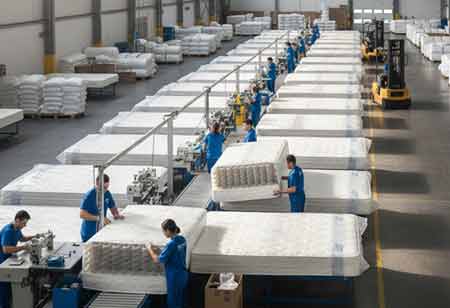
The hospitality industry is moving from simply offering accommodations to delivering a measurable, high-quality sleep experience. Recent advancements in manufacturing technologies and data analytics have transformed the traditional mattress into a sophisticated biometric hub. By using data from modern mattress manufacturers, hotels gain valuable insights into guest physiology and behavior, enabling a new level of personalized service.
Setting the Standard for Mobile Furniture in Hospitality Environments
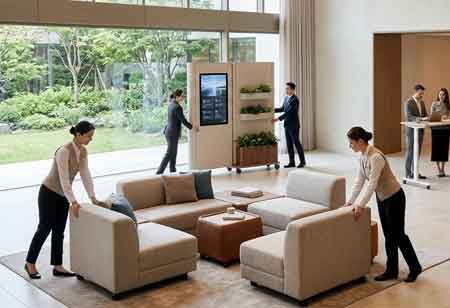
Executives across the hospitality sector face increasing pressure to balance guest expectations, staff efficiency and long-term capital discipline. Mobile furniture has moved from a background procurement decision to a visible contributor to experience, safety and day-to-day execution. In hotels, convention centers and multipurpose venues, furniture must adapt quickly to changing room configurations, support fast turnovers and remain dependable under constant use. Decisions in this space increasingly reflect not just product selection but confidence that the supplier can support daily setup, maintenance and long-term use.
Creativity and Credibility in Hospitality Media Relations

Hospitality brands compete in an environment defined by excess supply of stories and limited attention. Print, broadcast and digital outlets have fragmented into a mix of online publications, social platforms and creator ecosystems. A restaurant opening or hotel renovation no longer earns notice simply because it exists. Leadership teams must consider whether their message can move across traditional media, social feeds and search results without paid amplification. Visibility now depends on narrative force rather than distribution alone.
Circular Capital Strategies in Hotel Mattress Recycling
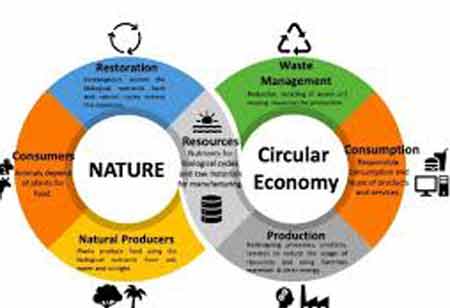
Guest expectations have long shaped hotel investment decisions, yet the back-of-house consequences of those decisions are only now commanding board-level attention. Mattress replacement cycles, once treated as routine capital expenditure, are being reexamined through the lens of asset recovery, brand positioning, and regulatory risk. In this environment, hotel mattress recycling services have moved from peripheral vendors to strategic partners. The sector’s trajectory reflects broader hospitality priorities: cost discipline, environmental accountability, and reputational differentiation. The disposal function is becoming an integrated element of procurement and sustainability strategy, reshaping competitive dynamics among service providers and property owners alike.
Connecting Cultures: How Media Relations Agencies Boost Hospitality Brands

The travel and hospitality sector operates in an environment where brand perception plays a decisive role in attracting travelers. Guests now discover destinations through digital publications, lifestyle media, social platforms and travel storytelling rather than through traditional advertising alone. In this evolving communication landscape, hospitality media relations agencies have become essential partners for hotels, resorts, travel companies and destination brands seeking to strengthen visibility and credibility. Their work goes beyond publicity. They help shape how hospitality brands are presented, discussed and remembered across the travel ecosystem.
Coordinating Sustainability and Scale in Hotel Mattress Recycling

Hotel operators face a growing tension between renovation cycles with disposal costs and rising sustainability expectations. Mattress replacement programs, often executed across multiple properties or under tight timelines, expose a fragmented system where removal, hauling and disposal are handled by separate vendors. This fragmentation introduces scheduling risks, cost variability and limited visibility into environmental outcomes. Landfill dependence continues to increase expenses while regulatory pressure and brand commitments push organizations toward measurable diversion and responsible material handling.
The Influence of Concierge Intelligence on the Evolution of Corporate Travel

The global corporate travel industry is now defined by the quality of the journey and the preservation of travelers’ time, energy, and mental clarity, rather than by efficiency alone. High-end concierge services, combining human expertise with predictive technology, are central to this shift and are reshaping the executive travel experience.
Reliability and Partnership in Hospitality Staffing

Hospitality executives operate in an environment defined by volatility. Occupancy can double within weeks, banquet calendars shift overnight and seasonal surges expose the limits of internal hiring models. Hotels, convention centers and large event venues must scale labor up or down without compromising guest experience. Under these conditions, staffing partners are judged less by promises and more by responsiveness, depth of talent and the quality of day-to-day coordination.
Empowering the Hospitality Industry with Smart Staffing and Workforce Planning

The hospitality industry is undergoing a powerful transformation as businesses rethink how they staff their teams and plan for future workforce needs. Traditional approaches that relied on fixed schedules and reactive hiring are no longer enough. Today’s guests expect personalized service, swift responses, and seamless experiences. To meet these expectations, leaders in hotels, restaurants, and travel services are turning to smarter staffing methods that align labor resources with real-time demand, strengthen employee engagement, and support long-term growth.
Designing the Modern Cocktail Station for Contemporary Hospitality
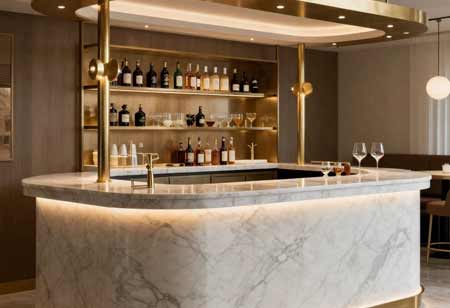
The modern bar has shifted from a purely functional service counter into a visible, expressive part of the guest experience. For executives investing in cocktail station design, the challenge now extends beyond equipment selection into questions of visual restraint, spatial discipline and adaptability across evolving service models. In hospitality environments where bars operate in dining rooms, gaming floors or gallery-like lounges, every exposed surface communicates intent. A poorly resolved station distracts, while a well-considered one recedes into the background, supporting service without competing for attention.
Modern Cocktail Station Design Services Setting New Standards for Bar Efficiency

In hospitality, the bar remains a vital hub for social interaction and service. While drink quality is essential, operational efficiency increasingly defines a bar’s success. In recent years, cocktail stations have evolved from simple countertops into carefully engineered workspaces. Modern cocktail station design services now focus on spatial planning, ergonomics and workflow optimization to help bars serve more guests faster and with greater consistency.
Transforming Hospitality: Trends and Innovations in Mobile Furniture Solutions

Hospitality mobile furniture solutions have emerged as a vital component in modern lodging, dining, and event spaces as hotels, resorts, and hospitality venues redefine guest experiences and operational agility. Traditional static furniture no longer meets the dynamic needs of contemporary spaces, where versatility, aesthetics, and multifunctionality drive revenue and customer satisfaction. Mobile furniture solutions, including modular seating, convertible installations, foldable banquet systems, portable workstations, movable privacy partitions, and tech-integrated furnishings, enable venues to quickly adapt layouts to changing service demands, social distancing requirements, and event formats.

